The Decision Test
You've sat in the meeting where someone asks for more data and no one asks what for. This is the question that ends it.
You've sat in the meeting where someone asks for more data and no one asks what for. This is the question that ends it - and why it's so hard to ask.
Someone senior leans back and says, I think we need to be capturing a lot more data here. Heads nod. It sounds responsible - prudent, even. And the thing you're not supposed to say starts to form, and you swallow it, because saying it out loud would make you the person who's against data: more data for what, exactly?
Nobody asks. So the field gets added, the pipeline gets built, the table gets wider - and eighteen months later it's still there, unqueried and unowned, quietly aging into a compliance problem nobody volunteers to touch. It was never used for anything, because there was never anything it was for. It just felt safer to collect it than to be the one who said no.
That's the whole problem, and it has a cheap fix: one question, asked before anything gets built. Not how much can we get? but what would we do differently if we had it? If someone can answer - we'd intervene with that cohort earlier, we'd reassign that caseload - then go, build it, it's worth every penny. And if the room goes quiet, you've just saved yourself eighteen months and a compliance problem. The quiet is the answer.
It's the same question everywhere, only asked at different moments. A dashboard nobody acts on, a metric that has never once changed what someone did, a field you're keeping because deleting it feels riskier than holding it - they're all the same thing: stuff you pay to keep that isn't earning its place. Ask the question early, before you collect, and you never pay the cost. Ask it late, of what you've already got, and at least you find out how much of it to switch off.
How the filter works
The question only does anything if you actually ask it - out loud, every time, before the building starts. That's all the diagram is: one gate, and the two things that can come out the other side.
Asking it without being a pain about it:
- Ask before you build, not after. Once the pipeline exists, the effort already spent argues for keeping it. The only cheap moment to say no is before anything's been made.
- A good answer is a specific thing someone would do. We'd reprice these accounts. We'd reroute this stock. If they can tell you the action, you're finished - build it, and gladly.
- "It might be useful one day" is a no. So is "good to have." Those aren't decisions, they're hopes - and the data sits there costing money against a decision that never arrives.
- Notice who has to do the answering. The person asking names what they'd do. You stop having to argue why you don't need something - which is an argument you can never really win.
If nobody can say what they'd do with it, you're not collecting an asset. You're volunteering for a cost.
· The "more data" request
It comes back every quarter, because asking for more data always sounds responsible and saying no never does. The question doesn't make you the difficult one - that's the point of it. It just moves the awkward moment onto the person who should have been able to say what it was for.
How the conversation actually goes:
- Ask what they'd do, not what they want. What would change if you had it? is a different question from do you want it? - and only one of them has a useful answer.
- Let it go quiet. The honest answer is often a pause, and the pause is the result: the decision was never there. You don't have to rescue the silence. Let them sit in it.
- When the answer's good, stop testing and build. We'd stop chasing the accounts that always churn. Done. The test is a gate, not a toll booth - once they're through it, you're on their side.
- Sometimes they don't want data, they want cover. They could make the call today, but they'd like a number to point at if it goes wrong. Worth saying so, kindly - the data isn't the thing standing in the way, the decision is.
- Write the question down as the rule. Then saying no isn't you being awkward, it's just the process - which is the only version of it that survives you having a bad week.
Nobody really wants more data. They want to feel sure. Find the decision and you usually find they needed far less than they asked for.
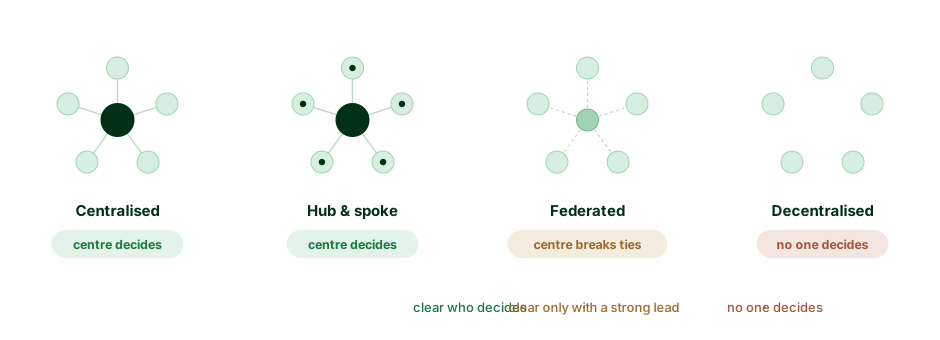
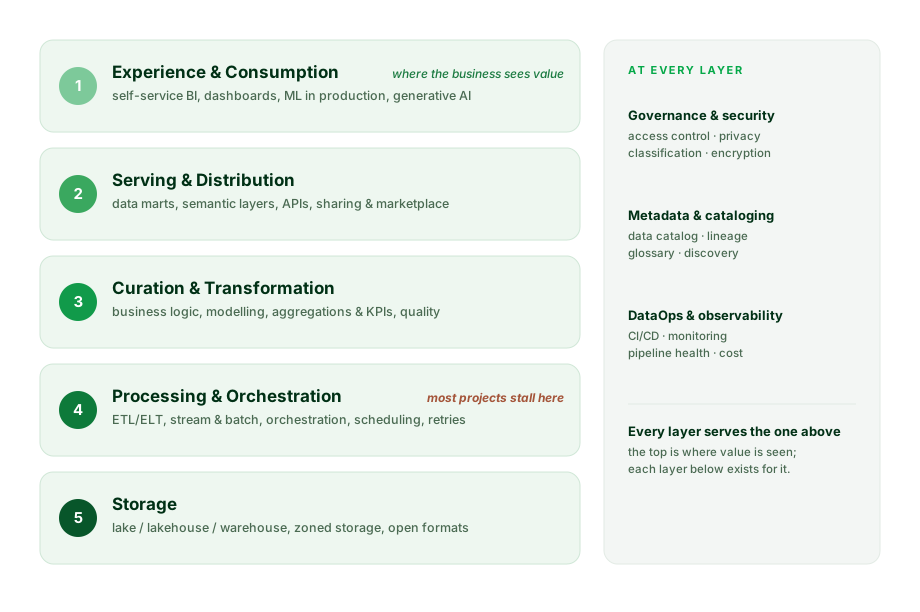
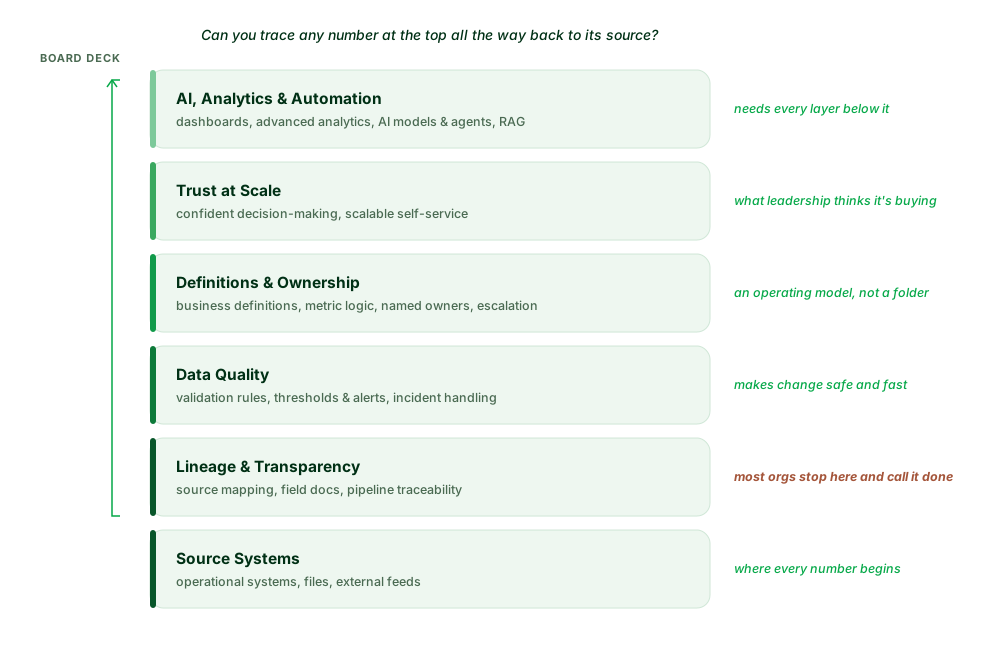
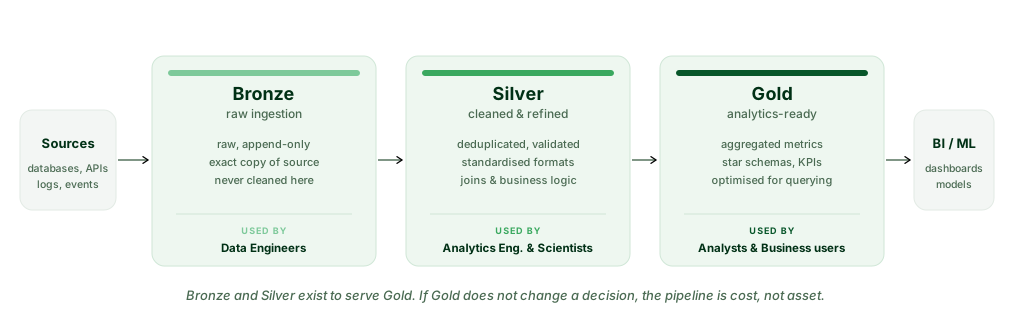
Everything after this - governance, architecture, quality, all of it - is machinery for making decisions you can stand behind. Worth being clear on what you're deciding before you go and build the machine. Part 2 starts with who gets to decide.